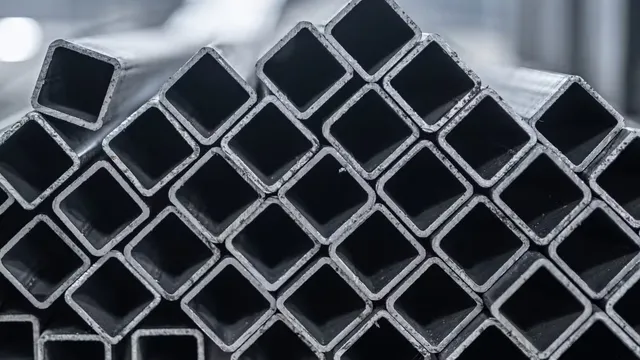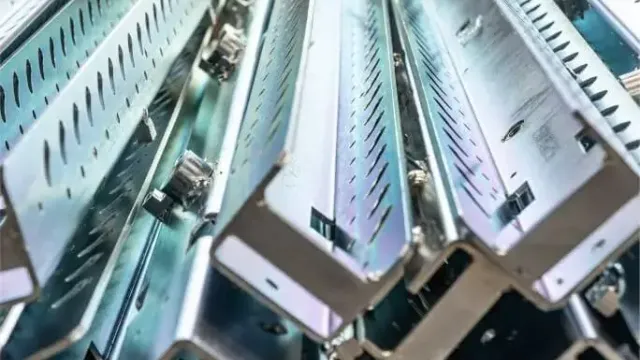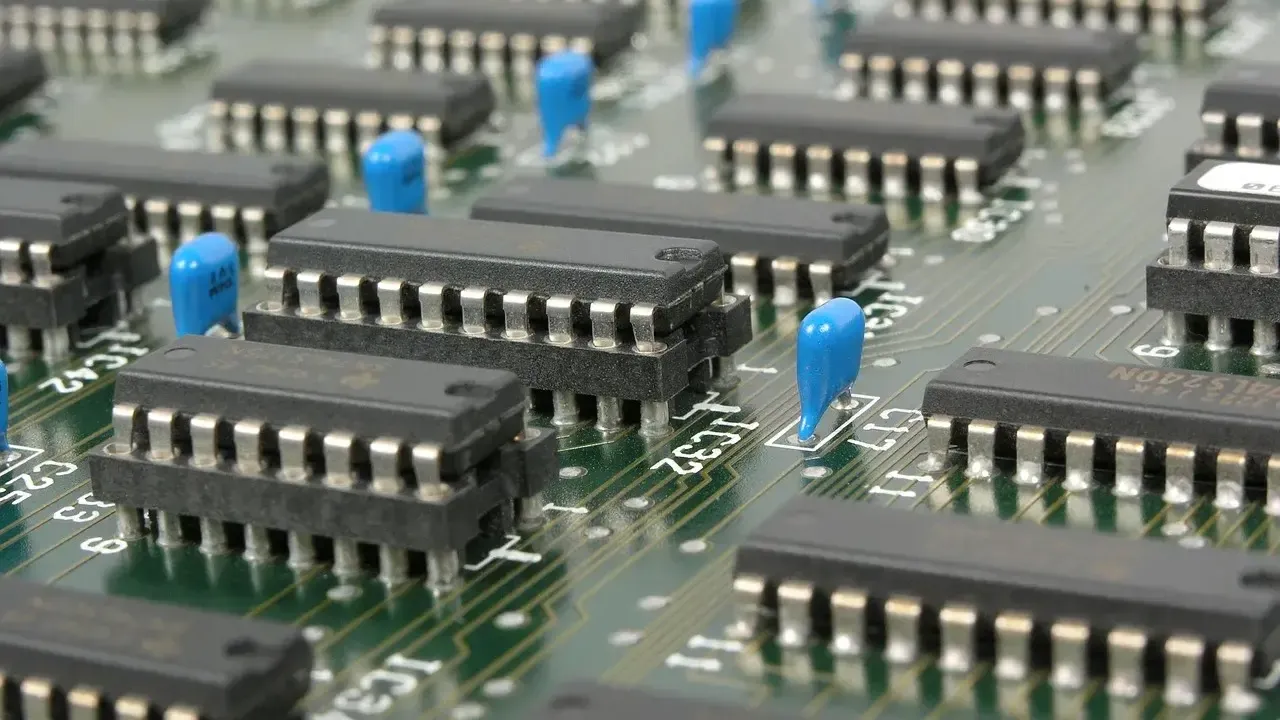
Although it sounds complicated, electroplating plays a key role in the electronics industry. This chemical phenomenon has many applications that may come as a surprise.
Electroplating in the Electronics Industry
Electroplating is an electrochemical process that plays a key role in the electronics industry. It is a technique in which metal objects are coated with a layer of another metal using an electric current. Although electroplating was initially used mainly in the jewelry industry, it is now applied in many fields, including electronics. In this article, we present five remarkable applications of electroplating in this sector.
1. Protective Coatings
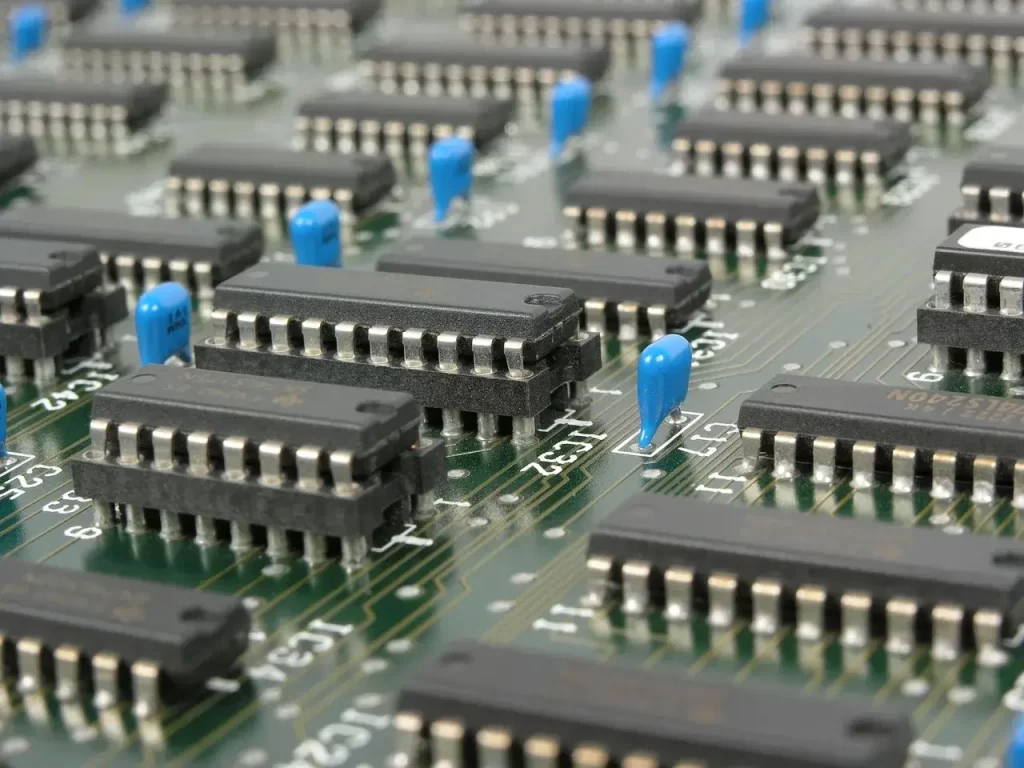
One of the most important applications of electroplating in the electronics industry is the creation of protective coatings on metal components such as enclosures of electronic devices or printed circuit boards. These coatings are intended to prevent corrosion and rusting of the metal, which is crucial for the durability and reliability of electronic components. Electroplating makes it possible to apply thin layers of metals such as zinc or nickel, which effectively protect against damage caused by external factors.
2. Creating Electrical Connections
In the electronics industry, protective coatings are not the only thing that matters. Low-resistance electrical connections are just as important. Electroplating makes it possible to create durable and reliable electrical connections, which is essential in the production of integrated circuits, wires, and other electronic components. Electroplating allows precise control over the thickness and quality of metal layers, which is critical for the proper functioning of electronics.
3. PCB (Printed Circuit Board) Production
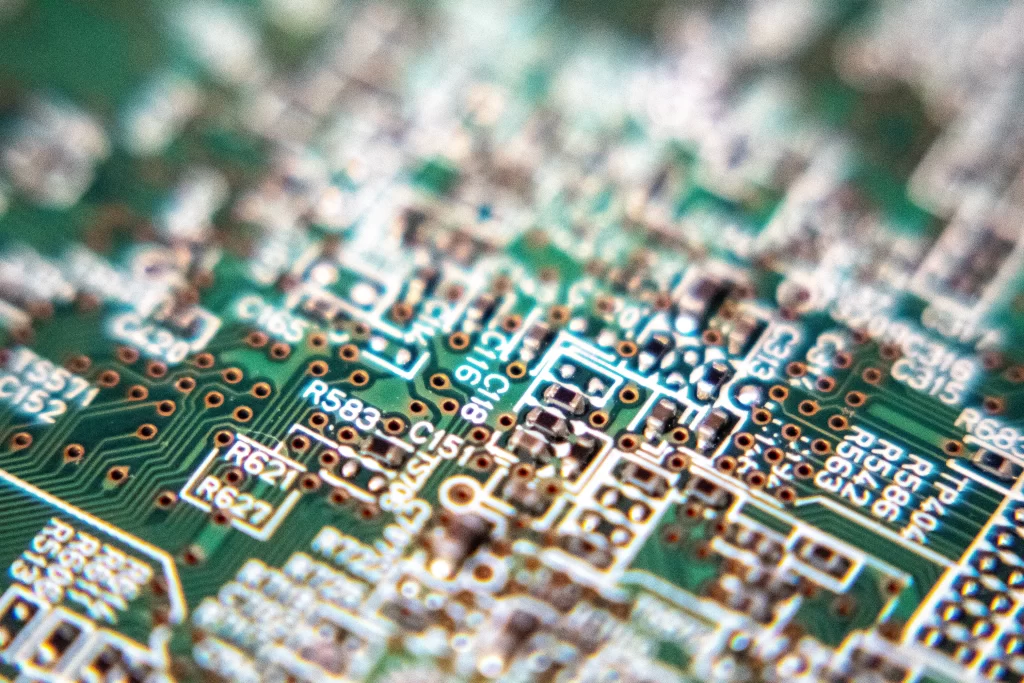
Printed circuit boards (PCBs) are the foundation of many electronic devices. Electroplating is an integral part of the PCB manufacturing process in the electronics industry. The process involves plating conductive layers onto dielectric substrates, creating electrical traces that allow current to flow between the various elements of the circuit. PCBs form the backbone of electronics, which is why precise and reliable electroplating is essential for producing high-quality boards.
4. Creating Fasteners and Connector Elements
In the electronics industry, electroplating is often used for connectors that join various components. Electroplating makes it possible to produce connector elements such as pins, whose job is to provide not only a mechanical connection but also electrical contact between parts. With this technique, connector elements with excellent electrical conductivity and durability can be produced.
5. Surface Finishes
Aesthetics and surface finish matter, especially in consumer electronics. Electroplating in the electronics industry makes it possible to create various surface finishes, such as chrome plating, gold plating, or silver plating. These finishes not only give products an attractive appearance but also protect them from damage and from the effects of weather.
Why Use Electroplating in the Electronics Industry?
Electroplating in the electronics industry plays a key role, affecting durability, reliability, and aesthetics.