Electroplating – this mysterious-sounding technology plays a key role in transforming the automotive industry. In this article, we uncover five surprising ways in which electroplating affects vehicles, giving them not only an attractive shine, but also resistance to extreme conditions and long-lasting durability. It is a fascinating application of chemical processes that are redefining standards in the automotive industry!
In today's automotive world, technological innovations play a key role in ensuring the safety, performance and durability of vehicles. One of these innovations is electroplating, an electrochemical process with many applications in the automotive industry. In this article, we look at five amazing applications of electroplating in the automotive industry, learning how it affects the quality and durability of our vehicles.
Do You Know How Electroplating Affects the Durability of Your Car? Discover 5 Fascinating Applications!
1. Corrosion protection
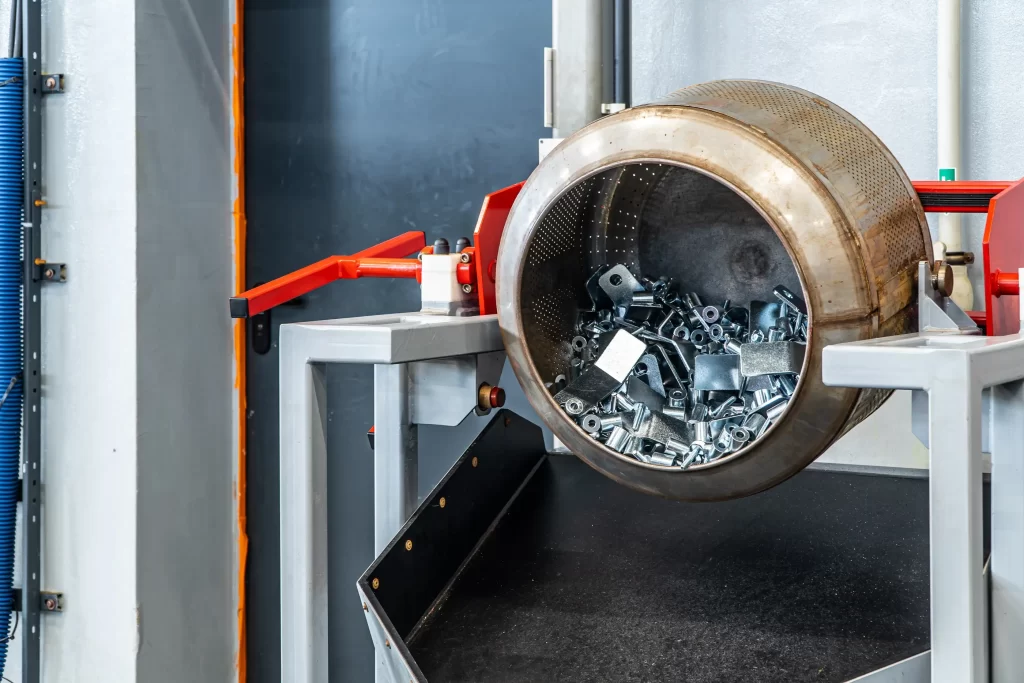
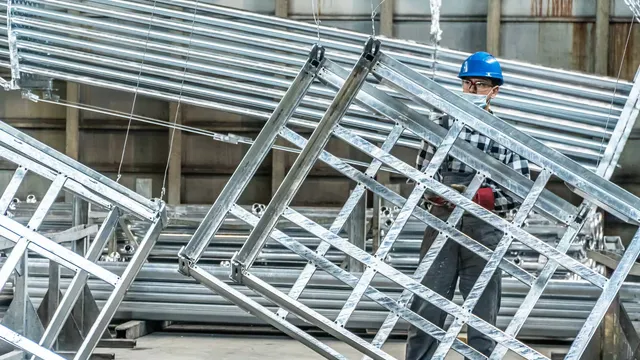
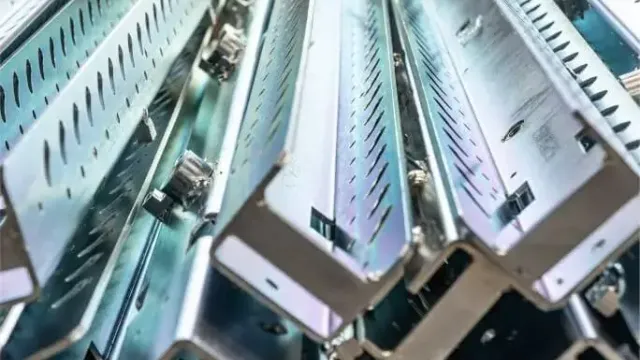
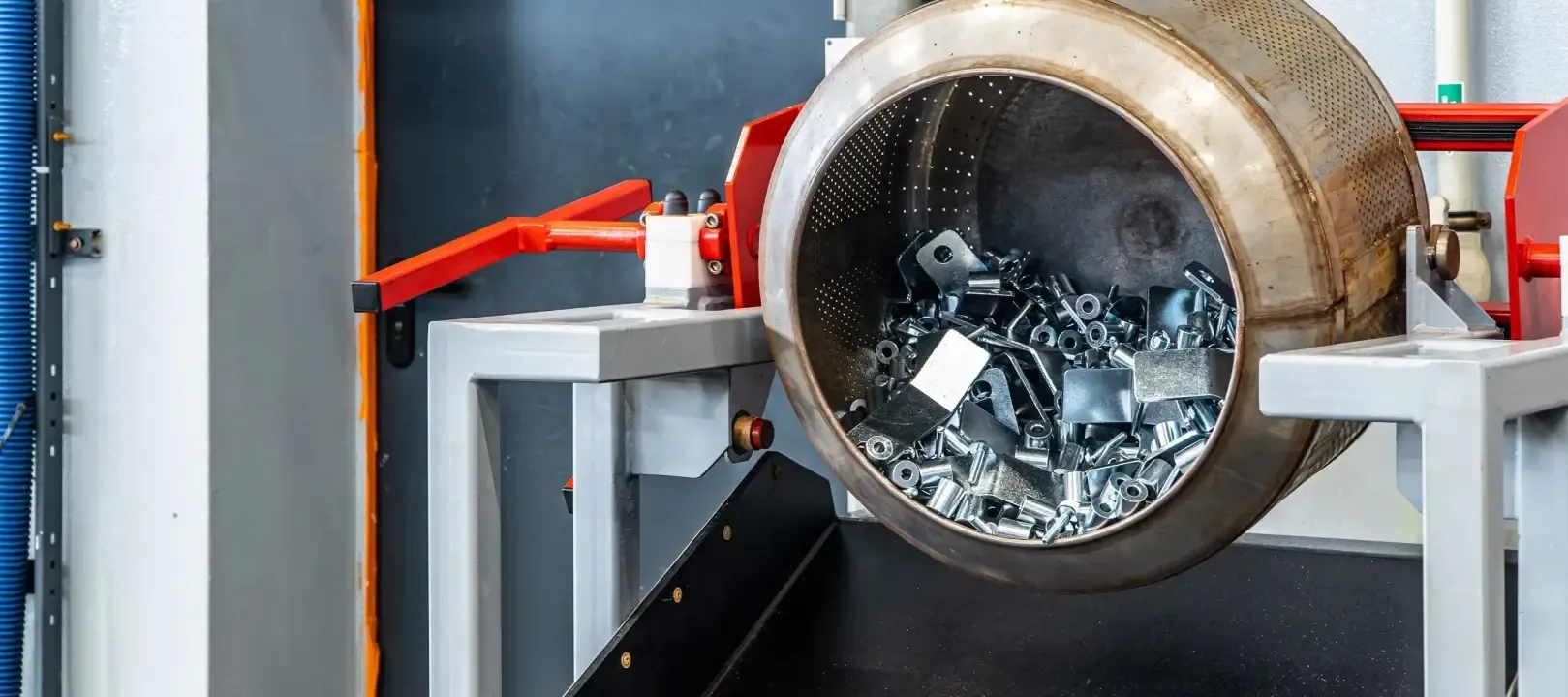
Let us start with the most obvious application of electroplating in the automotive industry – corrosion protection. Metal parts in cars are exposed to weather conditions and road salt. That is why manufacturers use electroplating, applying a thin layer of zinc to metal parts such as the body panels, bodywork or chassis. Zinc acts as a protective barrier, preventing corrosion and extending the life of the vehicle.
2. Improved electrical conductivity
In the automotive industry, where electronics play a key role, electrical conductivity is extremely important. Electroplating is used to improve electrical conductivity in electrical and electronic connections. The electroplated layer helps ensure a stable flow of current through various components, which is essential for the functioning of electrical systems in a car.
3. Improved appearance and strength of engine components
Engine components play a key role in the automotive industry, and the zinc electroplating process can contribute significantly to their performance and durability. Electroplating makes it possible to give components a durable protective layer, which is crucial in preventing corrosion, particularly important given the extreme conditions they are exposed to during engine operation. Electroplating is therefore a key step in the production of engine components, helping to keep their performance, reliability and appearance at the highest level for many years
4. Battery production
Batteries are an integral part of every vehicle. The electroplating process is widely used in the production of car batteries. The layer of zinc covering the battery plates increases the battery's performance and durability, which translates into a longer service life.
5. Production of suspension components
Suspension components, such as springs or shock absorbers, must be exceptionally durable to ensure driving safety and travel comfort. Electroplating is used to coat these parts with a layer of zinc or other metals, which increases their resistance to corrosion and mechanical damage.
Summary
The use of electroplating in the automotive industry is extremely versatile and brings many benefits, including corrosion protection, improved electrical conductivity, the appearance and durability of engine components, battery production and the production of suspension components. Thanks to these innovative solutions, cars become more reliable and durable, which in turn translates into greater safety and travel comfort.
Using the services of an electroplating shop in the automotive industry is an excellent example of how technology can support the development of industry, creating more advanced and durable products. That is why car manufacturers continue to invest in research into new applications of this technology, in order to meet growing consumer demands and safety standards. In the future we can expect even more amazing applications of electroplating in the automotive industry, which will contribute to the further development of this sector.