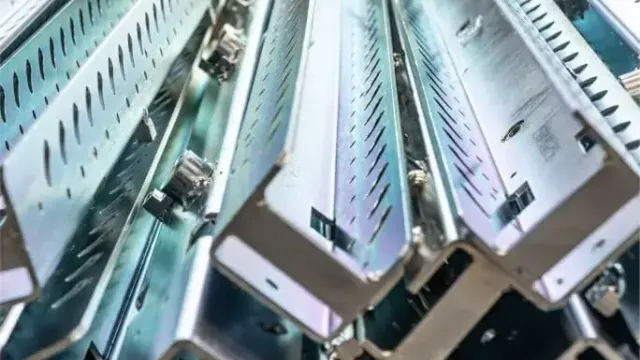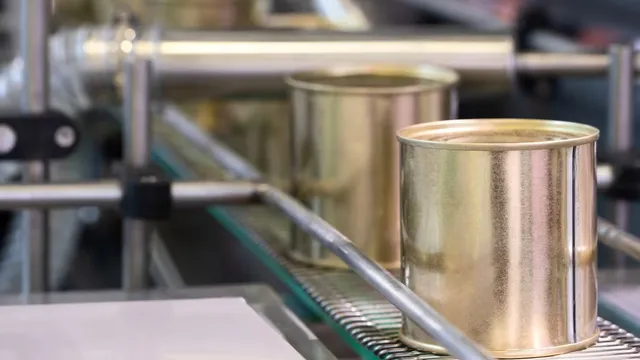
Did you know that there is more than one galvanizing method, and that the choice between them can have a huge impact on the durability and appearance of your metal product? In our latest article, we look at the two main techniques: hot-dip galvanizing and zinc electroplating. Find out which of these methods is better for your project and why the differences between them matter so much. Enjoy the read!
Hot-Dip Galvanizing vs. Zinc Electroplating: Which Method to Choose?
Galvanizing is an extremely important process in the metal industry, intended to ensure durability and protection against corrosion for metal products. There are several different galvanizing methods, but today we will focus on the two main ones: hot-dip galvanizing and zinc electroplating. Both techniques have their advantages and disadvantages, which are worth considering before deciding which one is best for us.
Hot-Dip Galvanizing
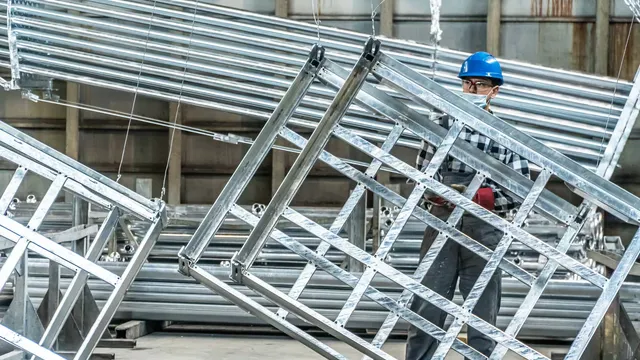
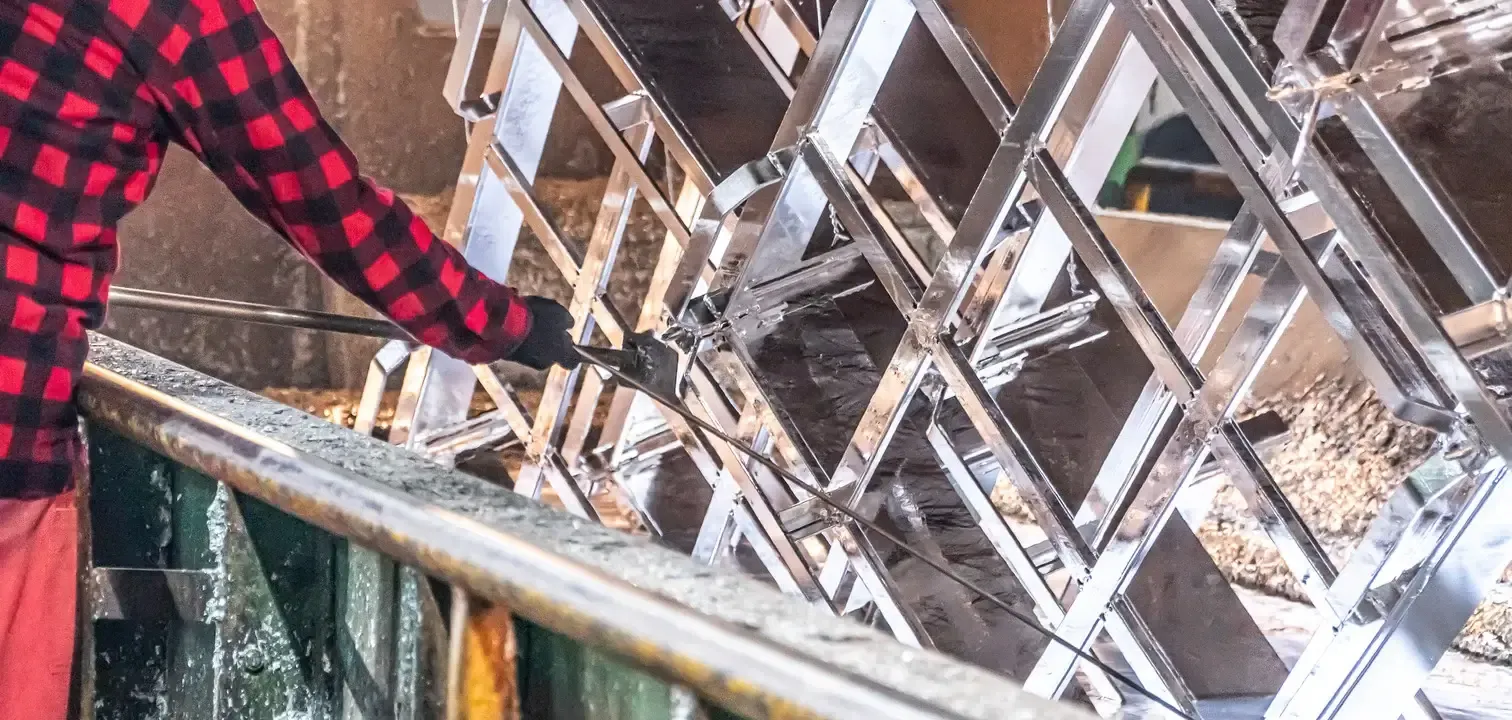
Hot-dip galvanizing is a process in which a prepared component is immersed in molten zinc at a temperature of about 450-500 degrees Celsius. The result of this process is a thick layer of zinc formed both on the outside and on the inside of the product. The zinc coating thickness in this method can range from 40 to 110 microns, which makes it extremely resistant to corrosion.
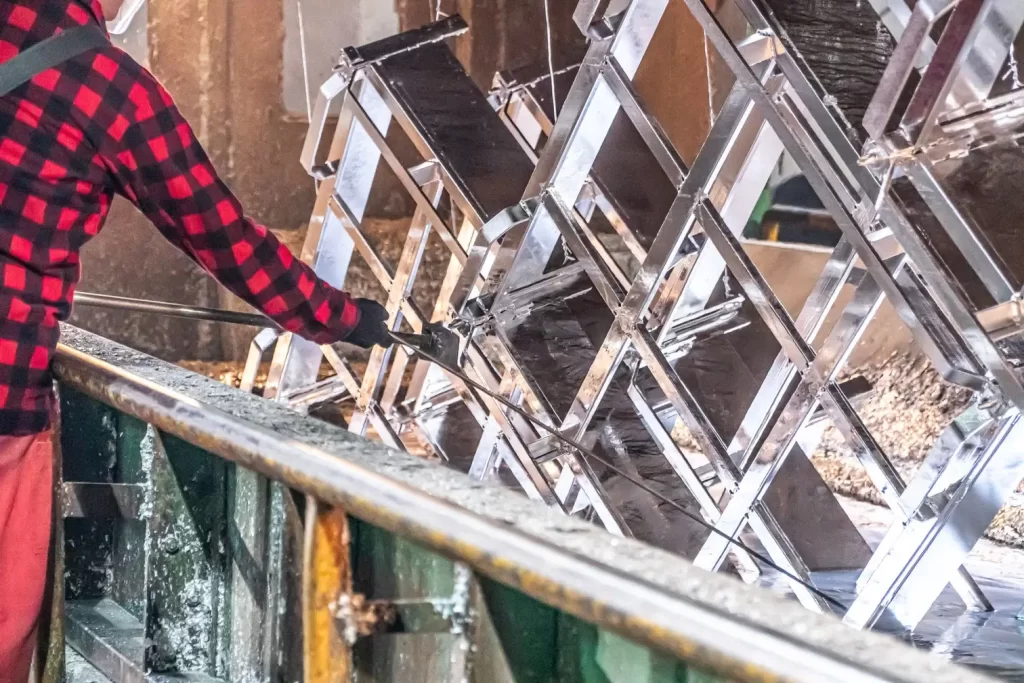
Advantages of hot-dip galvanizing:
- High mechanical durability: The zinc coating is thick and adheres strongly to the surface of the material, which makes it resistant to mechanical damage.
- Resistance to weather conditions: Hot-dip galvanizing offers excellent protection against the effects of weather, which makes it an ideal choice for components exposed to harsh conditions.
Disadvantages of hot-dip galvanizing:
- Less attractive appearance: The zinc coating produced by this process may have irregularities and drips, which makes it less aesthetically pleasing.
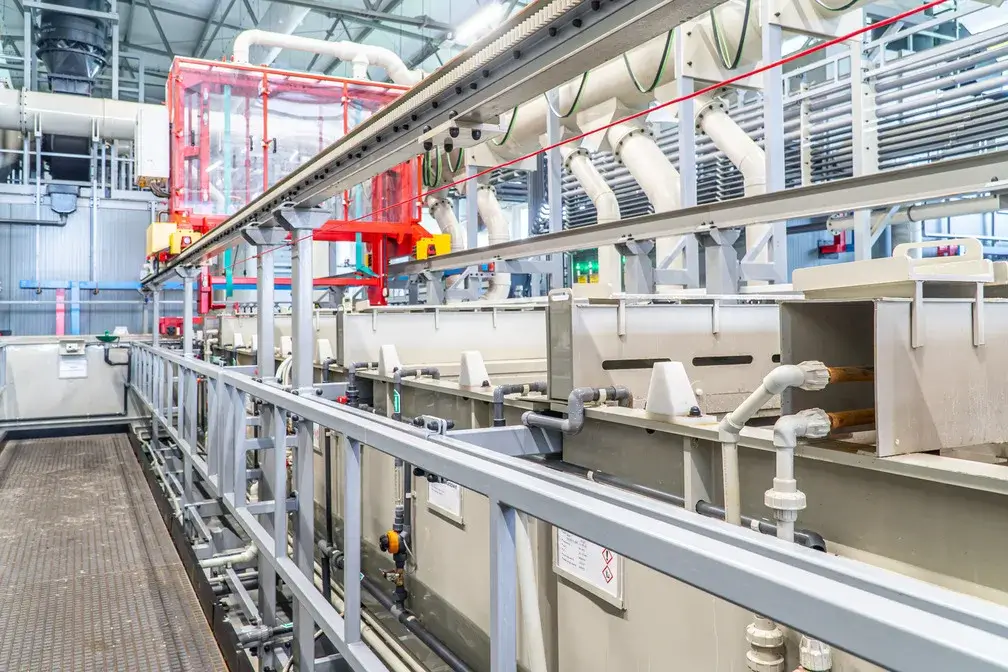
Zinc electroplating, also known as electrolytic galvanizing, is a process in which a component is immersed in an electrolyte bath, and a thin layer of zinc is then deposited on the surface of the material using an electric current. The zinc coating in this method is smooth and free of irregularities, which makes it visually appealing.
Advantages of zinc electroplating:
- Attractive coating: Zinc electroplating produces a smooth and attractive coating, which is why it is often used for products that are meant to be visible and decorative.
- Ideal for indoor applications: This method is ideal for interior fittings and automotive details.
Disadvantages of zinc electroplating:
- Lower mechanical durability: The zinc coating is thinner and less resistant to mechanical damage.
- Lower corrosion resistance: Zinc electroplating is not as resistant to corrosion as hot-dip galvanizing, so it may not be suitable in harsh weather conditions.
Choosing the Right Galvanizing Method
The final choice between hot-dip galvanizing and zinc electroplating depends on specific needs and applications. If mechanical durability and corrosion protection matter most to us, especially in harsh conditions, hot-dip galvanizing may be the best choice. On the other hand, if appearance is the priority and we want to protect interior components, zinc electroplating may be more suitable.
It is also worth taking into account the costs and the end result we want to achieve. Ultimately, the choice depends on our individual needs and preferences, but now, with full knowledge of the subject, we can make a more informed decision.