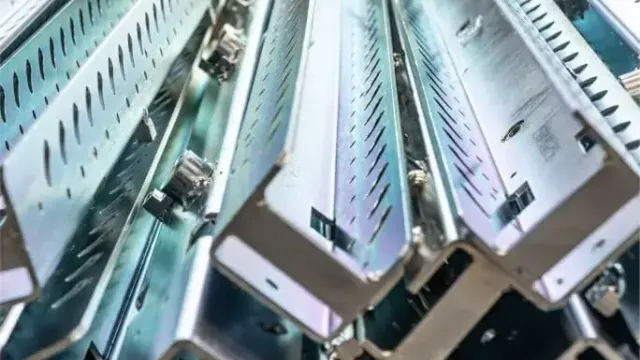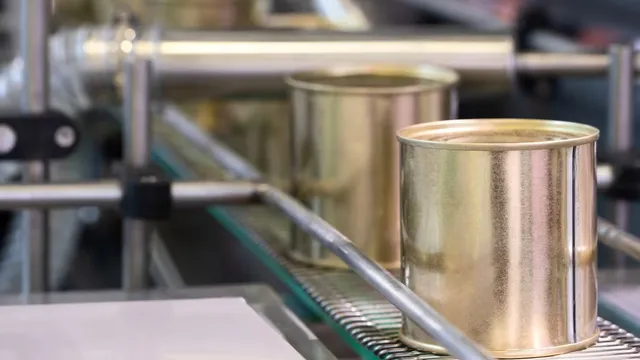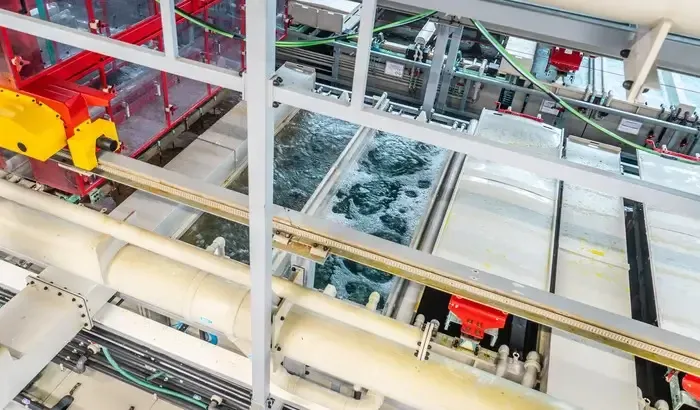
The zinc bath is the point at which the hot-dip galvanizing process moves from preparation to actually protecting the steel. At Strumet we regard this moment as decisive for the durability of the entire coating. It is in the zinc bath that the reaction takes place which cannot be corrected or fixed at a later stage. Liquid zinc reacts directly with the steel surface and immediately reveals the quality of material preparation, the stability of process parameters and the properties of the load itself.
In hot-dip galvanizing we immerse the components in molten zinc at a temperature of about 450°C, which results in a durable metallurgical bond. During the zinc bath zinc reacts with the steel, as a result of which a system of Fe-Zn alloy layers forms, permanently bonded with the material. As a result the coating does not delaminate, does not flake and remains continuous even in places exposed to mechanical loads. This method of protection can extend the service life of steel from 25 to as much as 100 years, depending on operating conditions.
What Is a Zinc Bath and Why It Is a Key Element of Metal Protection
A zinc bath is not simply a matter of covering steel with a layer of metal, because during the process diffusion takes place between iron and zinc, leading to the formation of several characteristic Fe-Zn alloy layers. Each of them is responsible for a different material property of the coating, from mechanical resistance this electrochemical protection. The deepest alloy layers are characterized by high hardness and abrasion resistance, while the outer layer of pure zinc provides sacrificial protection. Zinc is consumed in a controlled way and takes over the corrosion process, so the steel remains protected even when the coating is locally damaged. For this reason we use hot-dip galvanizing for structures intended for many years of service in harsh environmental conditions.
Mechanical Preparation - Abrasive Blasting Before the Bath
We precede the zinc bath process with thorough mechanical preparation. Abrasive blasting removes mill scale, corrosion products and residues of earlier protective coatings. We use abrasives such as cast steel or cast iron, which effectively clean the surface and give it the appropriate roughness.
This roughness has a direct effect on the course of the reaction in the zinc bath. A surface that is too smooth limits the initiation of diffusion, while an excessively uneven one promotes uncontrolled growth of the alloy layers. In practice we observe that differences in mechanical preparation can cause noticeable discrepancies in coating thickness, despite identical bath parameters.
For smaller components or parts with specific geometry, we allow alternative preparation methods, such as vibratory finishing or tumbling. Regardless of the method, the zinc bath requires a surface free of scale and contaminants, because only then does the reaction of iron with zinc proceed evenly.
Chemical Cleaning - Degreasing and Pickling of the Surface
After mechanical preparation we move on to the chemical stage. With degreasing we remove oils, greases and organic residues that would block direct contact of zinc with steel. Next we carry out pickling (most often in hydrochloric acid) and eliminate iron oxides and non-metallic residues formed during rolling and storage. Pickling determines the reactivity of the surface in the zinc bath. Under-pickled steel reacts with zinc more slowly and unevenly, which leads to local differences in coating structure. With excessive pickling, in turn, we observe faster growth of the alloy layers and an increase in their brittleness - which is why we select the chemical cleaning parameters each time to suit the steel grade and its chemical composition.
Rinsing and Fluxing - Key Treatments Before Immersion in Zinc
After pickling we proceed to thorough rinsing of the components, because it is at this moment that we decide whether the surface will enter the zinc bath in a state of chemical equilibrium. We remove residues of acids and chlorides, which on contact with liquid zinc could cause local disturbances of the reaction and visible coating defects. Well-executed rinsing significantly reduces the risk of blisters, porosity and discontinuities in the zinc layer.
Immediately after rinsing we proceed to fluxing and immerse the steel in a solution of zinc chloride and ammonium chloride. At this stage we prepare the surface for contact with the liquid metal and protect it against re-oxidation. From experience we know that the quality of fluxing shows up very quickly in the structure of the coating. On components with complex geometry and in hard-to-reach places, it is this stage that determines whether zinc will spread evenly and create a cohesive, stable layer.
Drying the Parts - Why Temperature Is So Important for the Zinc Bath
We carry out drying at temperatures of 120-150°C and monitor both the temperature itself and the rate at which the part is heated. Heating too quickly weakens the flux layer, while heating too slowly promotes chemical reactions that should not take place before the zinc bath. A well-dried component enters the liquid zinc in a state that allows controlled diffusion, which translates into an even coating structure and stable growth of the alloy layers from the very first moments of the process.
The Zinc Bath Itself - Formation of the Coating and the Iron-Zinc Alloy
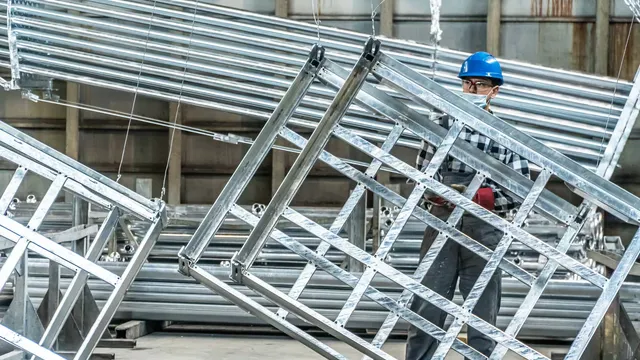
We begin the formation of the zinc coating by immersing the components in molten zinc at a temperature of 445-455°C. Within several dozen seconds successive alloy layers form, and their thickness and structure depend on the immersion time, the bath temperature and the chemical composition of the steel. For components such as bolts and nuts we work at an elevated temperature of about 560°C, which allows us to keep control over coating growth and maintain the proper functional tolerances. We pay particular attention to the silicon and phosphorus content, because these have the greatest influence on the reaction rate and the structure of the alloy layers. We control the process parameters deliberately, so that the coating does not grow excessively and its structure retains mechanical resistance and stability over a long period of use.
Ecology and Economy - Why Choose Hot-Dip Galvanizing
The zinc bath makes it possible to protect steel with a single process for many years, without the need for cyclical painting and frequent maintenance work. In practice this means lower consumption of protective materials and less intervention in finished structures over many years of service.
At Strumet we carry out hot-dip galvanizing in controlled, closed process loops, with energy recovery and constant supervision of the process. For years we have been protecting tens of thousands of tons of steel annually in this way, and we hand over structures for use with a zinc coating that copes with long-term service in a demanding environment without any problem.