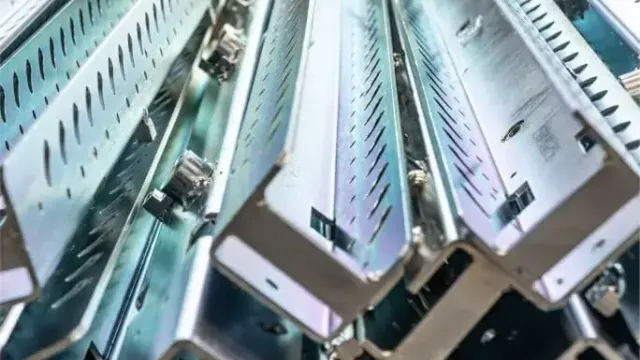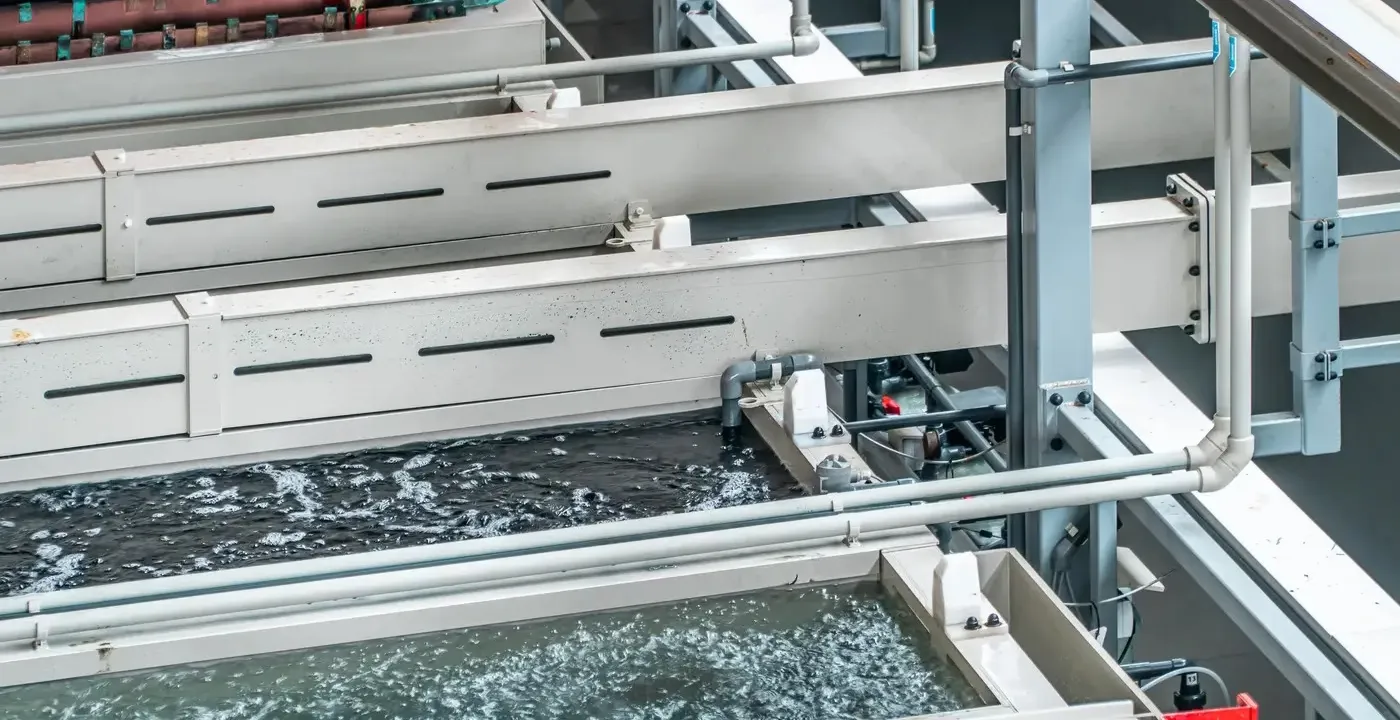
Hot-dip galvanizing of large structures begins where the standard approach to galvanizing stops being enough. Immersing steel in liquid zinc at a temperature of about 450°C triggers a metallurgical reaction identical to that for small components, but the scale of the structure introduces entirely different technological challenges. With large structures, scale itself starts to work against simple process templates. The mass of the element, the length of its arms, and the layout of its welds mean that the steel does not heat up evenly after immersion in liquid zinc. Temperature differences between individual zones directly affect the rate of iron and zinc diffusion, and thus the way the coating builds up. The effect is visible immediately, because zinc does not behave identically across the entire surface, even with the same bath parameters. That is exactly why galvanizing large structures requires an individual approach to each element, rather than repeating templates known from series production.
Logistical Challenges: Transport and Handling of Heavy Elements
With large structures, logistics begins even before the element enters the galvanizing plant. External transport very often means oversize loads, route planning, selection of travel hours, and appropriate securing of the structure. Already at this stage, stresses may appear that will only reveal themselves later, when the steel enters the zinc bath and reaches a temperature close to 450°C.
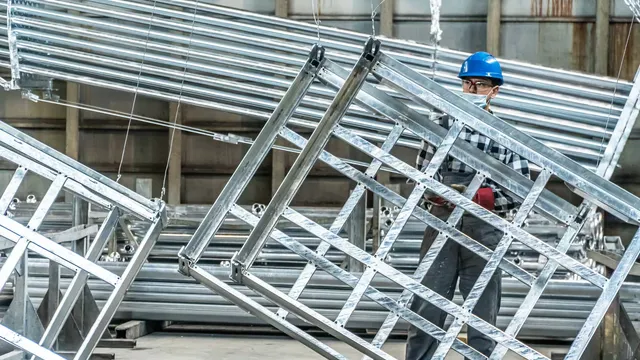
Once the structure is received at the plant, internal logistics become critical. We work with overhead cranes with a lifting capacity exceeding 10 tons, and use transport carts and slings designed for specific dimensions and centers of gravity. The way the element is suspended and guided has a direct effect on the stability of the structure during immersion. In large-scale galvanizing, every movement of an element in the hall is part of the technological process, not merely a transport operation.
Key Stages of Preparing a Structure for Galvanizing
With large structures, preparation determines everything that happens in the zinc bath. Already at the design stage, it is necessary to plan process, filling, and venting holes. Their purpose is to allow free flow of liquid zinc and to release air and gases. The absence of suitable holes leads to local uncoated areas, and in extreme cases to violent reactions during immersion.
The condition of the surface has a direct effect on the course of galvanizing. Large structures often go through various stages of processing and storage, which is why before the process we remove rust, mill scale, paint residues, and weld spatter. Even small differences in preparation are immediately recorded in the structure of the coating. Zinc reacts directly with the steel and reveals mistakes in the first moments of contact with the bath.
Galvanizing Kettle Dimensions and the Double-Dipping Technique
One of the main technological limitations in large-scale galvanizing is the dimensions of the galvanizing kettle. Standard lines allow galvanizing of elements about 13-15 meters long, while specialized installations exceed 18 meters. In practice, many bridge structures, load-bearing frames, and columns exceed these values. In such cases, we use the double-dipping technique. The element is introduced into the bath in stages, and we make sure the galvanizing zones overlap appropriately. This way of working requires very precise control of time, temperature, and the position of the structure. The boundary between the two immersions must be set so that the coating maintains continuity and a uniform structure along the entire length of the element.
Thermal Problems and the Risk of Distortion in Large Components
The temperature of the zinc bath is a significant challenge with large and heavy structures. Elements of considerable mass heat up unevenly, and temperature differences between individual sections can lead to local stresses. An additional factor is welding stresses, which can be released at high temperature.
To reduce the risk of distortion, we use a controlled rate of heating and immersion of the structure. In selected cases, we use preheating of the elements and an appropriate choice of suspension points. As a result, the structure does not work uncontrollably under its own weight, and the galvanizing process runs stably along the entire length and cross-section of the element.
Durability, Economics, and Ecology - Comprehensive Benefits of Galvanizing
Hot-dip galvanizing of large structures provides protection that, depending on the service environment, lasts from over a dozen to even several dozen years. We treat the zinc coating as both a physical barrier and electrochemical protection. Zinc takes over the corrosion process, and the steel remains protected even at points of local coating damage.
From an economic perspective, a major advantage is that no regular maintenance is needed. Compared with paint systems, the total life-cycle cost of the structure remains clearly lower. In addition, zinc is recyclable, and the longer service life of steel reduces the consumption of raw materials and lowers the frequency of replacing infrastructure elements.
A Modern Hot-Dip Galvanizing Plant at Strumet
At Strumet we have technological facilities prepared for galvanizing structures of large dimensions and considerable mass. We work on lines that allow precise control of process parameters, use our own laboratory facilities, and have a team experienced in working with bridge, industrial, and power-sector structures. We treat each order individually, analyzing the geometry, mass, and target service conditions of the structure before the process begins.
Why Choose Hot-Dip Galvanizing for Large Projects?
At Strumet, we carry out galvanizing of large structures in a deliberate and controlled manner. We work with large elements every day, so we know how important preparation, proper suspension, and stable bath parameters are. We treat every structure individually, because with such dimensions there is no room for templates.
We deliver elements with a zinc coating that remains durable for years of service and requires no later touch-ups. If you are planning to galvanize a large structure and care about a reliable result, get in touch - we will talk specifically about your project.