A new medium-tonnage injection molding machine costs in the range of several hundred thousand zlotys. Added to that are the hall, utilities, staffing, and the injection mold, which can itself cost more than the machine. A company that needs 20 thousand housings a year therefore faces a question: invest in its own machine park or outsource production? For most buyers the answer is clear - until the volume justifies depreciation, industrial cooperation is cheaper, faster, and less risky.
Injection Molding of Plastics in Industrial Cooperation - What Does It Actually Mean?
Injection molding in series production carried out under industrial cooperation is a service in which a specialized plant manufactures repeatable plastic parts to the customer's order - based on the customer's documentation and to the customer's requirements, but on its own machine park. It is ordered by companies that need from a few to several hundred thousand pieces a year and do not want to tie up capital in their own injection molding machine, mold, and process support. The difference compared with buying a machine is simple: instead of investing in fixed assets, the customer pays for finished, inspected molded parts, and the partner takes on all of the technological risk.
6 Stages of Contract Injection Molding - from Documentation to a Finished Batch
Contract injection molding of plastics follows a repeatable scheme that minimizes risk on the buyer's side:
- Analysis of the part and documentation - assessment of the technical drawing or physical sample, selection of the plastic, identification of any design changes that make injection easier (draft angles, wall thicknesses, ribbing).
- Selection or design of the mold - determining whether the customer supplies a ready mold or orders its manufacture from the partner.
- Process trials (T0) - first shots, measurements, and adjustment of parameters: temperatures, pressure, cooling time.
- Approval of the first batch - assessment of the molded parts for tolerances and quality requirements, acceptance of samples by the customer.
- Start of series production - injection of the full volume with constant process parameters.
- Quality control and release of the batch - in-process measurements, visual inspection, and conformity documentation.
A set procedure means the customer knows what stage their order is at and when they will receive repeatable, inspected parts.

The Injection Mold - Why Does It Determine Cost and Quality?
In designing an injection mold for a specific part, several decisions count:
- choice of mold material - tool steel of appropriate hardness determines its service life;
- number of cavities - the more there are, the lower the unit cost, but the higher the cost of the tool;
- cooling system - determines cycle time and dimensional stability;
- design of the ejector system.
A separate, often underestimated factor is processing shrinkage. Plastics shrink during cooling much more than metals, and the scale of the phenomenon depends on the material - semi-crystalline plastics (e.g., PA, PP) shrink more and less predictably than amorphous ones (ABS, PS). A well-designed mold accounts for this shrinkage in advance, so that the finished molded part hits the drawing dimension rather than the cavity dimension.
Injection molds - design and manufacture - are usually handled in two variants: the customer supplies their own proven tool, or commissions its design and construction from a contractor who knows the specifics of its machines. The second variant is safer for new parts, because the mold is built from the start for the specific injection molding machine and the agreed process parameters.
Dimensional Tolerances and Quality Control - Where Does the Repeatability of Molded Parts Come From?
Repeatability in series production rests on dimensional tolerances - the narrower the class, the smaller the permissible spread of dimensions between successive molded parts. This matters wherever a part must assemble with other components without play or stress, as in automotive, where thousands of pieces must fit identically. The framework for these classes is organized by the ISO 20457 standard, which defines 9 tolerance groups (TG1-TG9, from the tightest to the loosest) depending on the required accuracy of the part. Choosing the right class already at the design stage helps avoid a situation in which a finished batch formally meets the drawing and yet causes problems on the customer's assembly line.
The declared tolerance class, however, is worth only as much as its verification - in practice this means coordinate and optical measurements. At Strumet, quality control is carried out by a team of 24 inspectors equipped with 4 FARO measuring arms and an optical measuring system. They translate the specification on the drawing into a real conformity report for every batch and catch typical molding defects: sink marks, warpage, short shots, or inclusions.
Plastics in Series Production - Which Material for Which Part?
The choice of plastic determines the properties of the finished part - from mechanical strength to chemical and thermal resistance. In series production of plastics, work is most often done with a few proven groups of materials.
| Material | Example application | Process notes |
| PP (polypropylene) | Housings, containers, parts with living hinges | Inexpensive, chemically resistant, flexible |
| PA (polyamide) | Technical parts, gears, guides | High strength, absorbs moisture - requires drying |
| ABS | Device housings, panels, visible parts | Good stiffness and surface aesthetics |
| PS (polystyrene) | Housings, economy parts, technical packaging | Rigid, inexpensive, easy to process, but brittle |
| TPE / TPU (thermoplastic elastomers) | Seals, grips, flexible parts, soft-touch coatings | Rubber-like elasticity, well suited to two-component joints |
At Strumet, PE, PP, PS, SB, SAN, ABS, PA, and the elastomers TPE and TPU are processed most often, but cooperation with leading granulate suppliers makes it possible to supply practically any available material - including colored to order or made from recycled granulate (regrind of production scrap). If a part requires, for example, transparent, impact-resistant polycarbonate (PC) or glass-fiber-reinforced plastic, the material is selected individually to suit the service requirements.

Metal and Plastic in One Plant - Why Does It Matter to the Buyer?
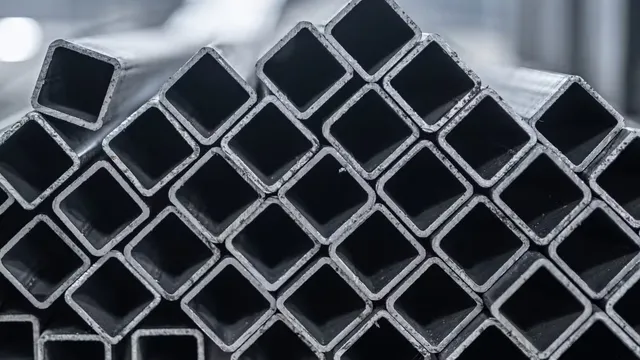
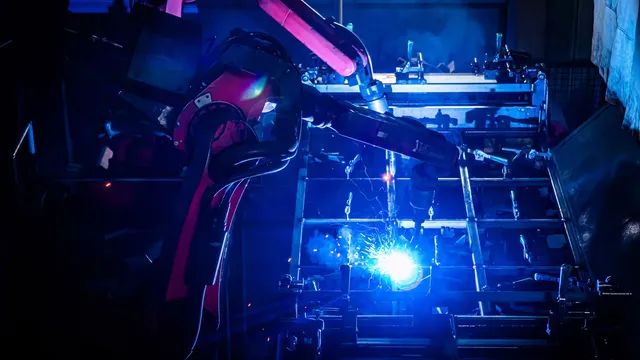
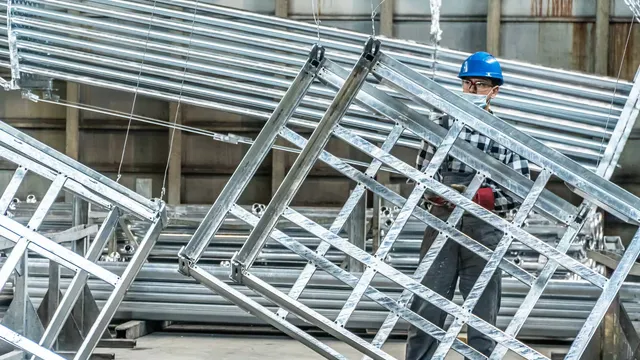
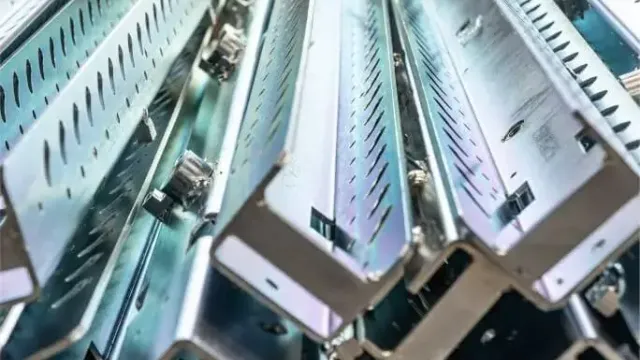
Many industrial parts are hybrid constructions - a plastic housing with a metal mounting element, handle, sleeve, or embedded thread. When metal and plastic are made in one plant, the buyer has a single source for the order, one quality department, and one schedule instead of coordinating several subcontractors. Strumet combines an injection molding plant with metalworking (laser cutting and punching, bending, CNC turning and milling), manual, robotic (MIG/MAG), and laser welding, and surface treatment - hot-dip galvanizing and zinc electroplating or powder coating - under one roof, which in practice means comprehensive industrial cooperation for the entire product, not just a single component.
The injection process itself at Strumet is also environmentally friendly - no harmful substances are emitted during molding, and the heaters that plasticize the granulate are partly powered by our own photovoltaic installation.
For Which Industries Does It Pay to Outsource Injection Molding?
Contract injection molding works particularly well where repeatability and documented quality matter.
| Industry | Key requirements | How does a contract injection molding plant provide them? |
| Automotive | Repeatability, certifications (e.g., TISAX) | Stable process parameters and measurement-based inspection of every batch |
| Defense | Documentation, auditability | Full traceability of material and production history |
| Rail | Compliance with standards (e.g., EN 15085 for welding of rail vehicles) | Welding and production processes agreed to meet normative requirements |
| Agriculture | Resistance to service conditions | Selection of plastics resistant to UV, moisture, and temperature changes |
Each of these industries distributes the emphasis differently, but they share the expectation of consistent series quality - and that is precisely the strong point of a specialized partner. Behind these requirements stand specific certificates - Strumet operates, among others, on the basis of ISO 9001, ISO 14001, TISAX, EN 1090, EN ISO 3834, and EN 15085.
Where injection molding is not optimal - e.g., for short runs of large parts - an alternative can be polyurethane casting, which uses simple, many times cheaper casting molds (made of plastic or aluminum) and is cost-effective even for small runs or single pieces. Polyether polyurethane offers a hardness from 30 to 90 ShA and operation in the range from −30 to +80 °C.
Industrial Cooperation or Your Own Injection Molding Machine - Where Is the Break-Even Point?
The break-even point for your own injection molding machine is set by the volume and its stability over time. Your own machine starts to make sense when production is large, continuous, and predictable for many years - then the depreciation of the tool and the machine is spread over so many pieces that the unit cost falls below the price of outsourcing. Industrial cooperation wins, on the other hand, when:
- volumes are medium or seasonal and hard to plan years ahead;
- the part portfolio changes often and flexibility is needed;
- the company does not want to tie up capital or build technological competence from scratch.
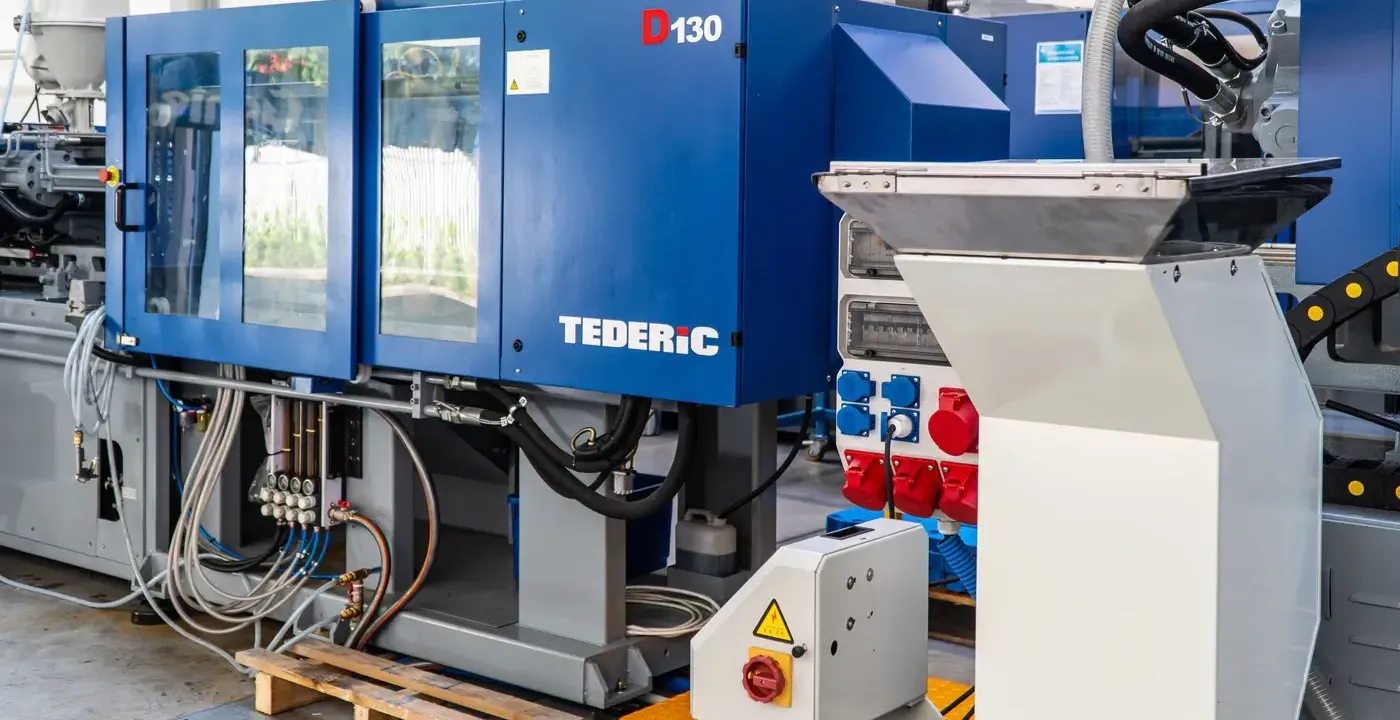
On the partner's side, what counts here is real capacity. A park of Tederic injection molding machines with clamping forces from 130 to 700 t makes it possible to cover both small parts and large molded parts with a shot weight of up to about 3400 g with a single supplier.
In practice, for most buyers outsourcing production is cheaper in the total cost calculation, because it eliminates investment, technological risk, and downtime costs. If you are wondering on which side of this line your project falls, the simplest way is to check it against specific numbers - ask about injection molding services at Strumet, and you will receive a quote and technological consultation for your part.
FAQ - Most Common Questions About Injection Molding of Plastics in Industrial Cooperation
What is the minimum order volume (MOQ) in series production on an injection molding machine?
The MOQ is set individually depending on the part, the plastic, and the mold - it is determined mainly by the cost-effectiveness of starting up the machine and changeovers. It is best to state the planned annual quantity already in the inquiry, because both the unit price and the choice of tool depend on it.
How long does it take to make an injection mold for a new part?
The time depends on the complexity of the part and the number of cavities, but it is usually counted in weeks - from design, through steel machining, to T0 process trials. Simpler molds are made faster, while complex multi-cavity tools require more time for refinement.
When outsourcing to an injection molding plant, do I have to supply my own mold or can I order it from the contractor?
Both variants are possible: the customer can supply a ready, proven tool or commission its design and manufacture from the partner. Ordering the mold from the contractor is safer for new parts, because it is built from the start for the specific machine and process parameters.
What dimensional accuracy (tolerances) can be achieved in injection molding?
The range of tolerances is organized by the ISO 20457 standard, which defines 9 classes (TG1-TG9). The class that can realistically be achieved depends on the plastic and its shrinkage, the geometry of the part, wall thicknesses, and the design of the mold - so the right class is worth agreeing with the contractor already at the design stage, before the tool is made.
Which plastics work best in series production for automotive?
Most often used are polyamides (PA), frequently glass-fiber reinforced, as well as PP and ABS - depending on mechanical loads, temperature, and aesthetic requirements; where flexibility or a soft-touch finish matters, TPE/TPU elastomers are used. The key is choosing the material for the specific repeatability and certification requirements of the part.
Can one supplier combine plastic injection molding with metalworking and galvanizing in a single order?
Yes - a plant that combines an injection molding plant with metalworking, welding, and galvanizing (hot-dip and electroplating) carries out hybrid parts within a single order. For the buyer, this means a single point of responsibility for the entire product, without coordinating several subcontractors.