Scratch the coating of galvanized steel down to the bare metal, and rust won't appear there anyway. This isn't a coincidence, but rather the effect of cathodic protection: the zinc corrodes instead of the steel, electrochemically shielding it even at the point of damage. This single property has made zinc the fourth most frequently used metal in the world and the foundation of industrial anti-corrosion protection.
Zinc – basic properties
Zinc (symbol Zn, from the Latin. zincum) is a metal with atomic number 30, belonging to group 12 of the periodic table – the so-called zinc group. In its pure state, it has a bluish-white color (blue-white) and a characteristic metallic luster. In air, it is covered with a thin, dense layer of oxides and carbonates, which slows down further oxidation – this phenomenon is called passivation and proceeds similarly to the case of aluminum.
Zinc is relatively brittle at room temperature, but becomes malleable and can be rolled between 100 and 150°C. It is a metal with a low melting point, which directly translates to hot-dip galvanizing technology.
| Property | Value |
|---|---|
| Chemical symbol | Zn |
| Atomic number | 30 |
| Atomic mass | Approx. 65.38 |
| Group / period | 12 (zinc alloys) / 4 |
| Color | Bluish white (blue white) |
| Melting point | 419.5°C |
| Boiling point | 907°C |
| Density | 7.14 g/cm³ |
| Crystallographic system | Hexagonal |
| Main oxidation state | +2 |
Where does zinc come from? Zinc ores and extraction
Zinc does not occur in its free form in nature – it is always bound in minerals. The most important zinc ores are:
- sphalerite (zinc blende, ZnS) – zinc sulphide, the basic and most common source of this metal;
- Smithsonite (ZnCO₃, formerly called calamine) – zinc carbonate;
- hemimorphite and wurtzite – accompanying minerals of less industrial importance.
In Poland, the largest zinc ore deposits are located in the Upper Silesian Coal Basin, including around Olkusz.
Obtaining metal comes down to two metallurgical methods:
- Pyrometallurgical (fire) method – the ore concentrate is first roasted, converting the sulphide into zinc oxide (ZnO), and then reduced with coke at high temperature, collecting zinc vapor in a condenser.
- Hydrometallurgical method – allows for obtaining zinc of higher purity and is dominant today. Zinc oxide is leached with sulfuric acid, and the pure metal is separated from the purified solution by electrolysis.
Uses of zinc
Zinc's applications are incredibly broad – from steel structures, through alloys and batteries, to medicine and agriculture. Its importance is best demonstrated by its consumption structure: about half of the world's production goes to steel galvanizing, the rest is divided between alloys, chemical compounds and other sectors.
Anti-corrosion protection of steel
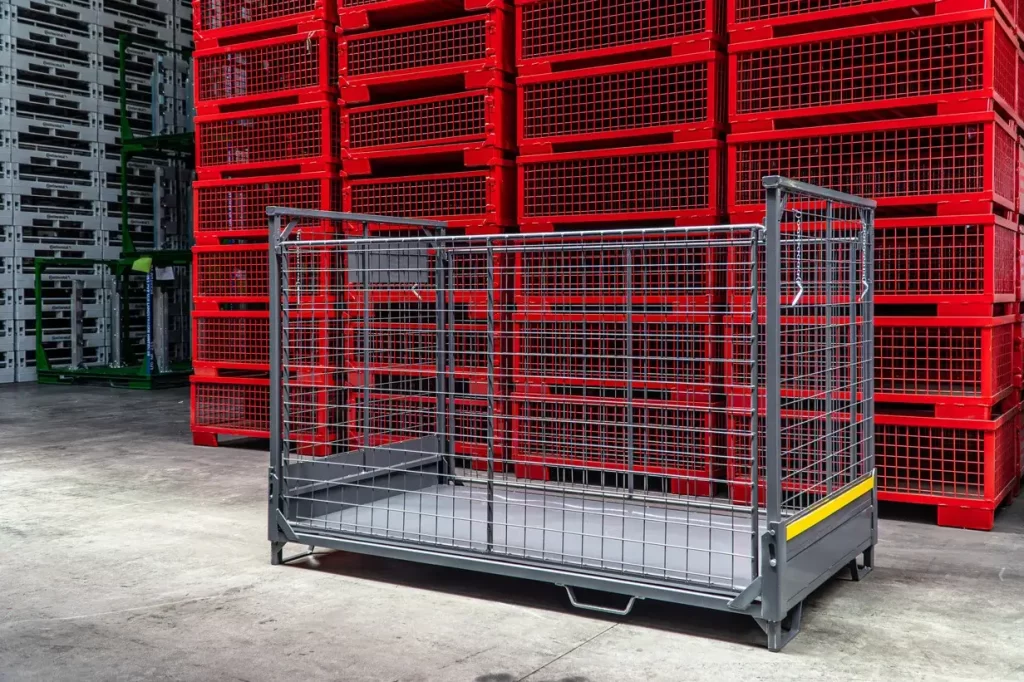
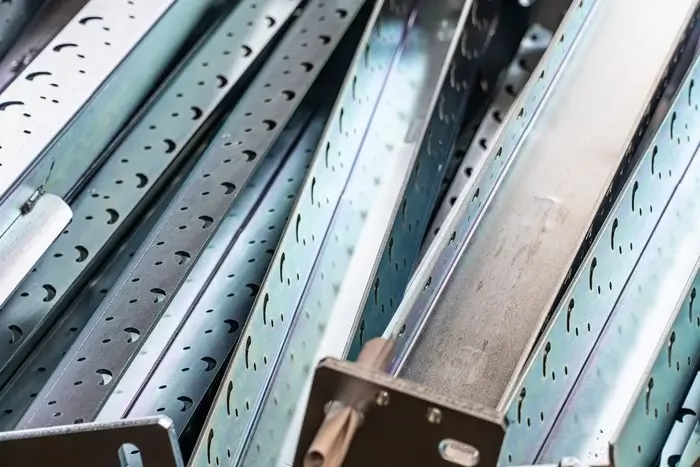
This is by far the most important use of zinc and the reason it is so valued in industry. By coating steel with a layer of zinc, we obtain galvanized steel - material rust-resistant, used in construction, energy, automotive, and road infrastructure. The most durable protection is provided by hot-dip galvanizing, i.e., immersing finished components in a bath of molten zinc. The mechanism of this protection is discussed later in the article.
Zinc alloys
Zinc is a component of many useful alloys:
- brass – an alloy of copper and zinc (zinc content usually 5–45%), valued for its strength, corrosion resistance and ease of processing, used for fittings, fittings and decorative elements;
- ZAMAK type casting alloys (zinc with the addition of aluminum, copper and magnesium) – used in the pressure casting of small, precision parts, including in the automotive industry and power tools.
Other uses
Zinc is also the anode in popular zinc-carbon and zinc-air batteries. Zinc oxide (ZnO), also known as zinc white, serves as a white pigment in paints, a filler and stabilizer for rubber and plastics, and an ingredient in cosmetics and creams with UV protection. Zinc is also an essential trace element – it is a component of approximately 200 enzymes and participates in wound healing, immune system function, and insulin secretion.
Zinc and tin – what is the difference?
Zinc and tin They are sometimes confused due to their similar names and appearance, but they are two completely different elements with distinct properties and applications. Zinc belongs to the zinc group (group 12), while tin belongs to the carbon group (group 14). They also differ in their melting point and intended use.
| Characteristic | Zinc (Zn) | Tin (Sn) |
|---|---|---|
| Atomic number | 30 | 50 |
| Periodic table group | 12 (zinc group) | 14 (coal carriers) |
| Melting point | 419.5°C | 231.9°C |
| Density | 7.14 g/cm³ | Approx. 7.29 g/cm³ |
| Typical use | Galvanizing steel, brass | Solders, sheet metal coatings (white sheet), bronze |
How to recognize them in practice? Tin is much softer and melts at a significantly lower temperature – hence its role in soldering. Zinc is harder, brittle when cold, and is responsible for metals' anti-corrosion protection.
How does zinc protect steel against corrosion?
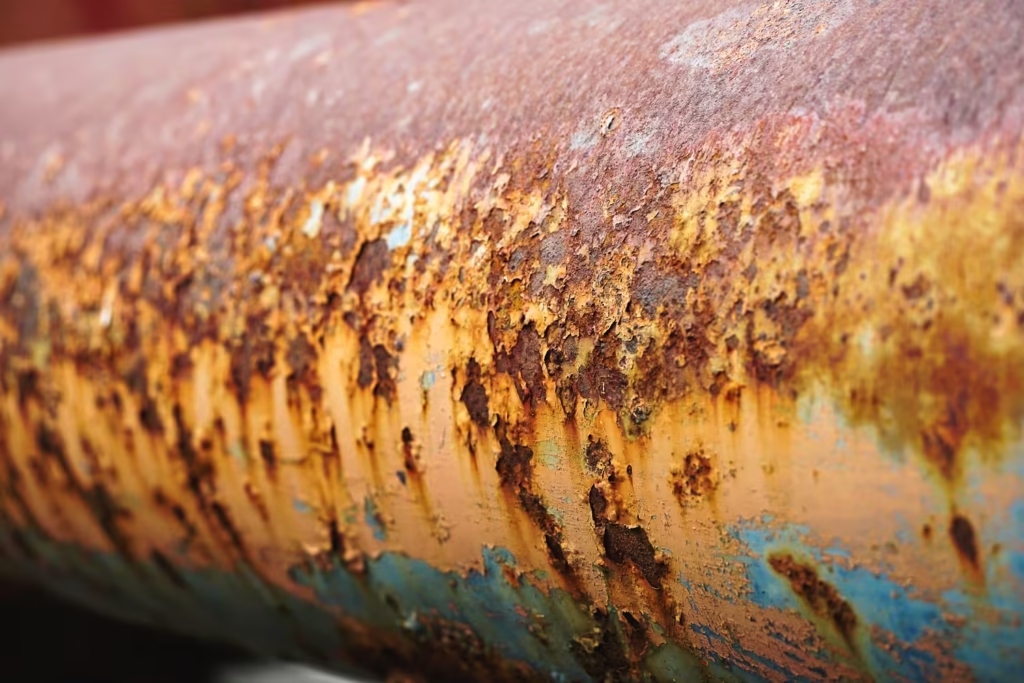
Steel corrosion is an electrochemical process in which iron is converted to rust by the action of moisture and oxygen. Zinc counteracts this in two complementary ways:
- Barrier protection – tight, well-fitting zinc coating It seals the steel from moisture and oxygen. The durability of this barrier is proportional to the coating's thickness: greater thickness means longer protection.
- Cathodic (sacrificial) protection – Zinc is a more electrochemically active metal than iron, so if the coating is scratched or damaged, it corrodes first, sacrificing itself instead of the steel. The exposed steel remains protected as long as the zinc is nearby, without the need to repair the coating.
Zinc in hot-dip galvanizing – how it works in practice
In hot dip galvanizing, the prepared steel elements are immersed in a bath of molten zinc. temperature approx. 450°C. A metallurgical reaction occurs at the interface between steel and zinc, creating not just a simple coating "applied" to the surface, but a permanent metallurgical bond with the substrate. The zinc penetrates the interior of closed profiles and hard-to-reach nooks and crannies, providing protection for the entire component.
The result is a coating resistant to mechanical damage and suitable for difficult weather conditions – less precise, but much more durable than the galvanic method (we compare the differences between the two technologies in a separate entry: Hot-dip galvanizing vs. electro-galvanizing).
At Strumet we implement hot-dip galvanizing of steel structures and products while maintaining coating thickness standards. If you plan to protect components against corrosion, contact our galvanizing sales department – we will help you select a solution appropriate for your operating conditions.
FAQ – frequently asked questions about zinc
What is the difference between zinc and tin?
These are two different elements: zinc (Zn, atomic number 30) belongs to the zinc group, and tin (Sn, atomic number 50) belongs to the carbon group. Zinc is primarily used to protect steel against corrosion and as a component of brass, while tin is used for soldering and sheet metal coatings.
What ores is zinc obtained from?
Primarily from sphalerite (zinc blende, ZnS) and smithsonite (ZnCO₃). The metal is separated from them using pyrometallurgical or hydrometallurgical methods.
Why does zinc protect steel against corrosion?
It acts both as a tight barrier separating the steel from moisture and as a sacrificial anode – if the coating is damaged, it corrodes instead of the steel, protecting it electrochemically.
What are the main uses of zinc in industry?
Galvanizing of steel (the most important application), production of alloys such as brass and ZAMAK, batteries, pigments (zinc white) and chemical compounds used in rubber and plastics.
Does zinc rust?
No – rust affects iron and steel. Zinc oxidizes on the surface, forming a dense patina that protects it from further corrosion, which is why it protects steel so well.
What is the melting point of zinc?
Zinc melts at 419.5°C and boils at 907°C. Its low melting point allows for hot dip galvanizing in a bath at approximately 450°C.